Servers are the backbone of modern IT infrastructure, running everything from small business websites, critical infrastructure such as hospitals to large-scale enterprise applications such as Google. Without servers, the digital services we rely on daily would simply not exist.
Server administration is the practice of managing, configuring, and maintaining these servers and related infrastructure to ensure they operate effectively and securely. Whether you’re just starting in IT or looking to specialize in a specific area, a solid understanding of server administration is essential skill to have.
What does a Server Administration do?
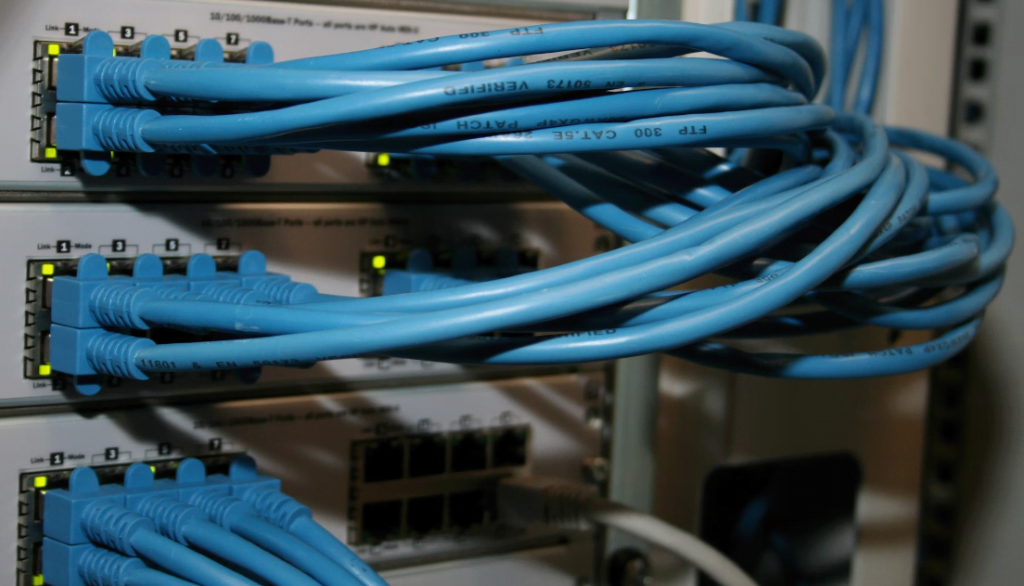
Server administration involves a broad range of tasks centered around ensuring that servers function optimally. This can include setting up and configuring new servers, installing and updating software, monitoring server performance, managing user access, applying security patches, and troubleshooting any issues that arise. The role of a server administrator is critical because servers must be available, secure, and reliable at all times to support business operations.
Administrators also play a key role in capacity planning, ensuring that the server infrastructure can handle current workloads and scale as needed. This involves monitoring resource usage, optimizing performance, and planning for future growth, whether by upgrading existing servers, adding new hardware, or migrating to the cloud.
Why is Server Administration Important?
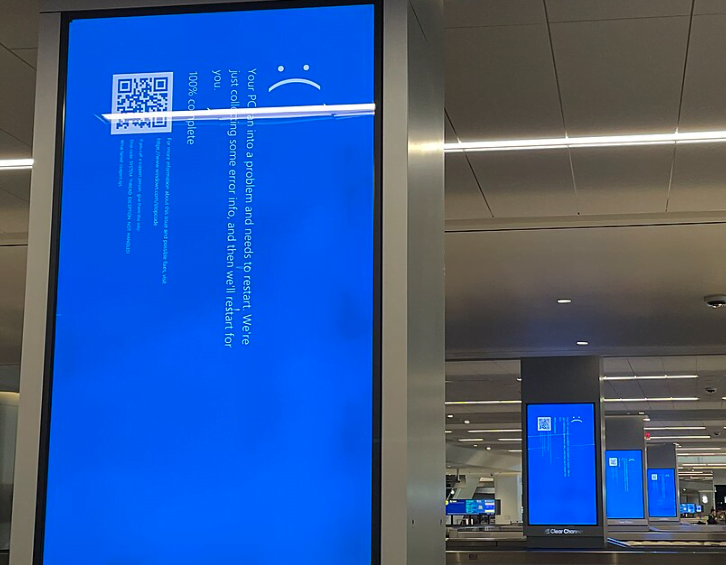
Servers are essential components in any IT environment, responsible for storing data, running applications, and facilitating communication within and between organizations. If a server goes down, the impact can be instant and significant, leading to service interruptions, data loss, and potential financial losses. For businesses that rely on their digital infrastructure, effective server administration is not just important—it’s mission-critical.
By ensuring servers are properly configured and maintained, server administrators help prevent outages, protect sensitive data, and maintain the performance of critical systems. They also play a vital role in cybersecurity, implementing measures like firewalls, intrusion detection systems, and regular software updates to protect servers from attacks.
Key Responsibilities of Server Administrators
- Performance Monitoring and Optimization: Regularly monitoring server performance to identify bottlenecks or inefficiencies. This might involve tuning server settings, upgrading hardware, or reallocating resources to ensure optimal operation.
- Security Management: Implementing and managing security protocols to protect servers from unauthorized access and cyber threats. This includes configuring firewalls, applying patches, monitoring for vulnerabilities, and responding to security incidents.
- Backup and Disaster Recovery Planning: Setting up and maintaining backup systems to ensure data can be restored in the event of a failure. Disaster recovery planning involves creating strategies to quickly restore operations after an outage, including failover procedures and data recovery processes.
- Capacity Planning: Working with stakeholders to analyze current and projected workloads to ensure the server infrastructure can meet demand. This may involve scaling up resources, adding more servers, or leveraging new technologies to handle increased traffic.