With technology constantly evolving, IT careers are no longer just about writing code. Automation, no-code platforms, and AI-powered tools are changing the landscape, leading many to question whether learning to code is still essential for an IT career.
The answer isn’t black and white. While not every IT role requires coding, having at least a basic understanding of programming concepts is still valuable.
Why You Might Not Need to Code
While coding has traditionally been a core skill in IT, the industry has evolved to offer alternative pathways. Advancements in no-code platforms, AI-assisted tools, and specialised IT roles mean that some professionals can build successful careers without ever writing a single line of code.
Here’s how these changes are shaping the field:
No-Code and Low-Code Solutions
Tools like Bubble, Webflow, and Microsoft Power Automate let people build applications and automate processes without traditional programming. These platforms lower the barrier to entry, allowing non-developers to create software, manage workflows, and integrate systems without needing to write complex code.

Different Specializations in IT
IT is a broad field, and many roles don’t require coding. If you’re in cybersecurity, networking, cloud computing, or system administration, your focus might be on managing systems, implementing security measures, or troubleshooting issues that have no requirement or need to code.
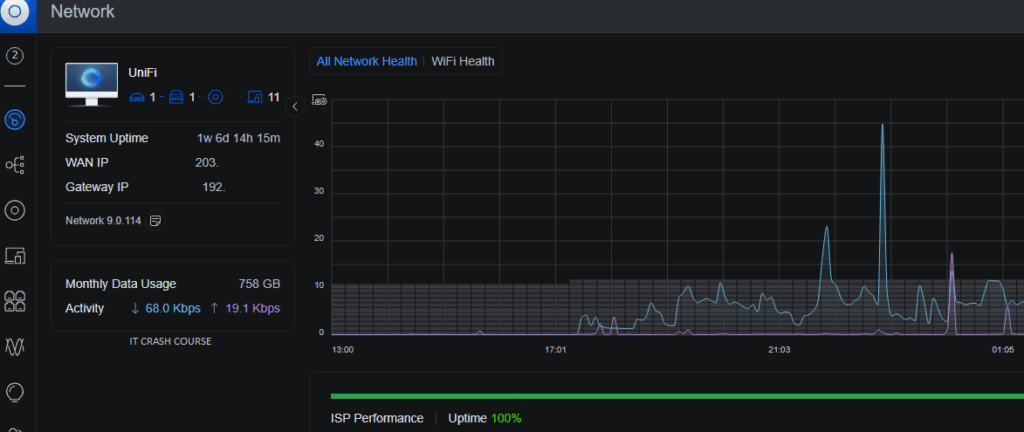
As many systems mature, many roles that once required programming knowledge or in-depth experience editing complex configurations or reviewing logs are now behind well designed interfaces.
AI-Assisted Development
AI tools like GitHub Copilot, ChatGPT, and OpenAI Codex can generate, debug, and optimize code in real-time. This means even those with basic programming ability can create code and solution well beyond what a comparable entry level programmer could 10 years ago.
While not a substitute for experienced programmers, these AI-driven tools lower the learning curve for coding, making it easier for IT professionals to complete coding-related tasks without extensive experience.

Why Coding Still Matters
Even in an era of automation and AI-driven development, coding remains a foundational skill that enhances problem-solving and adaptability. IT professionals who understand coding can better analyse technical issues, collaborate with developers, and adapt to evolving industry trends. Whether it’s scripting to automate tasks, modifying existing code, or simply understanding how software functions at a deeper level.
Understanding How Systems Work
Even if you don’t write code daily, knowing how software and systems function under the hood is incredibly useful. Understanding programming logic can help with troubleshooting, automation, and seeing the bigger picture of how IT solutions are built. It can also help bridge communication gaps between developers and non-developers within an organization.

Automating Repetitive Tasks
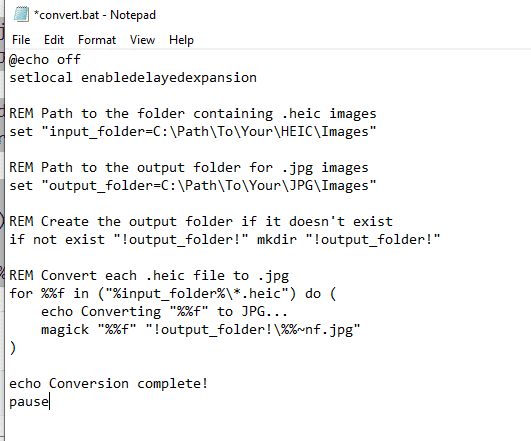
Many IT professionals benefit from automation. System administrators use PowerShell or Bash scripts to manage servers and automate tasks, cybersecurity experts analyze logs and identify threats with Python, and cloud engineers streamline deployments using Infrastructure as Code (IaC) tools like Terraform. Learning basic scripting can save time, reduce errors, and increase overall efficiency in IT operations for tasks that need to be performed over and over.
Being comfortable writing and modifying basic powershell or Bash scripts is an invaluable and often necessary skill to have as you progress up the ranks in your IT career. The dark secret of IT is that many systems still rely on a huge number of scripts behind the scenes!
More Career Opportunities
Knowing how to code gives you more career flexibility. You could pivot into software development, DevOps, AI, or data analysis. Even if you don’t plan to be a full-time developer, having some programming skills keeps your options open and enhances job security. Employers value IT professionals who have a mix of technical and problem-solving skills, and coding is often a crucial part of that equation.

Debugging and Problem-Solving
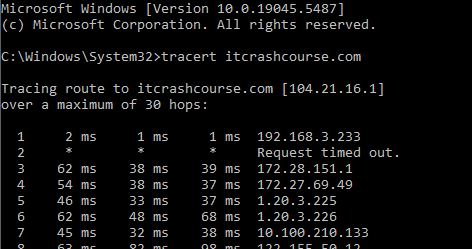
Even if you’re not writing code yourself, you might need to read and understand scripts. A network engineer troubleshooting a script analyzing network traffic or being able to execute commands on the commandline will be more effective than one who lacks that ability. Basic coding knowledge also helps with debugging system errors, modifying existing scripts, collaborating with development teams and overall improve confidence when working not working behind a fancy GUI.
Finding the Right Balance
You don’t need to be a coding expert, but learning the basics can be a game-changer. Getting comfortable with scripting languages like Python, JavaScript, or PowerShell and understanding fundamental programming concepts—such as loops, conditionals, and data structures—will give you a major advantage in the IT field.
The IT industry is diverse, and while coding isn’t mandatory for every role, it’s a skill that will make your life easier and expand your career options. Even in a world of no-code tools and AI assistance, being able to read, understand, and tweak basic code is an invaluable skill. Investing time in learning at least the fundamentals of coding can set you apart and future-proof your IT career.
What are your thoughts? Has coding helped you in your career? Let us know in the comments below