Web hosting is a service that enables websites to be stored and be accessible on the internet.
Websites consist of files like images, text, and videos that need to be stored on a server, along with dynamic elements such as PHP scripts, content management systems like WordPress, and databases for managing data.
These websites are ‘hosted’ (stored on) specialised servers called a ‘web server’ which are setup with the required software such as Apache to generate the pages and send the website files to the visitors web-browser requested.
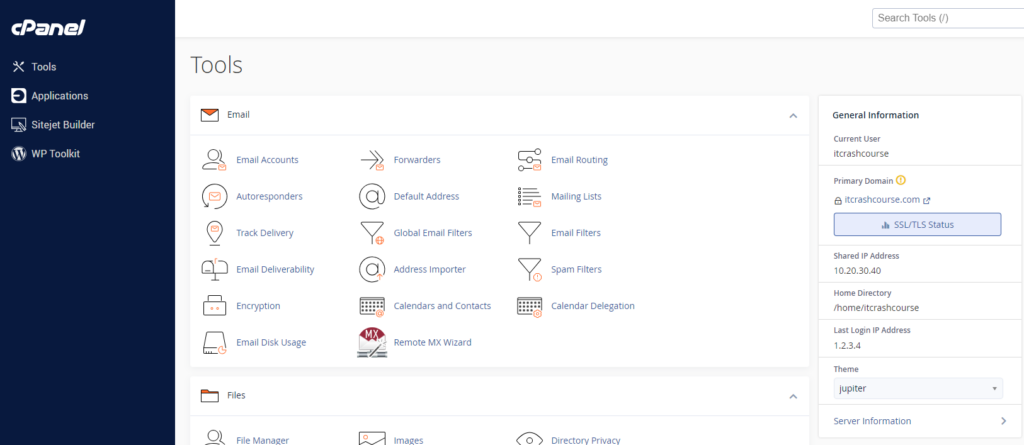
In most cases, the web hosting server and website files will be managed through a user interface as cPanel or DirectAdmin which makes it more user friendly for website owners to manage. These panels often do more than just web-hosting, such as Email Hosting, DNS management, view visitor statistics and ability to control the database.
Types of Web Hosting
In most cases a web hosting server will be managed through a type of company called a web hosting provider.
Web hosting providers may offer different types of hosting products, each designed for different needs.
1. Shared Hosting
Shared hosting is one of the cheapest types of hosting where multiple websites are hosted on the same server and share its resources. Shared Hosting servers often host hundreds if not thousands of websites. This is often suitable for small websites and blogs which do not have large budgets, however may lack the performance needed for larger websites and ecommerce stores.
2. VPS Hosting
VPS (Virtual Private Server) hosting provides a dedicated portion of a server’s resources to your website and is essentially a ‘mini web hosting server’ where you control the Operating System. It offers more control and stability than shared hosting, making it a good choice for websites that require more resources and extra functionality installed however can cost significantly more than shared hosting and may not always include support.
VPS hosting is popular for resellers who host many websites or administrators who run large websites but do not yet require the power of a full dedicated server.
3. Dedicated Hosting
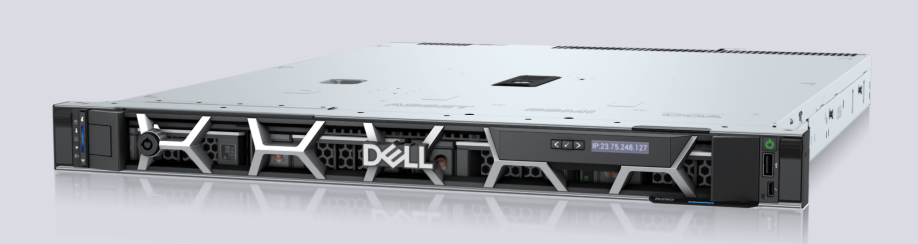
Dedicated hosting is regarded as the ‘ultimate’ type of hosting where the website gets its own ‘dedicated hardware server’. This option provides the highest level of performance, security, and has no worries about but other websites slowing down the site, but is also the most expensive.
It’s often used by large websites with significant traffic and have complex requirements.
4. Cloud Hosting
Cloud hosting uses a network of servers to host your website, rather than just a single server like the above options. An example of this is Shopify which hosts using an entire platform instead of individual servers like cPanel shared hosting. This setup improves reliability and scalability, as the hosting resources can be adjusted based on your website’s needs by the hosting provider.
Do you have any web hosting questions? Let us know in the comments below