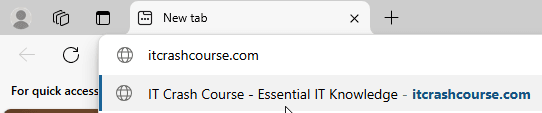
A domain name is essentially the address of a website that you type into a browser to visit a specific site, like itcrashcourse.com. It acts as a human-friendly substitute instead of remembering the IP addresses of different servers on the website.
How Are Domain Names Used?
When you enter a domain name into your browser (like www.google.com), the browser sends a request to a global network of servers called Domain Name System (DNS) servers. These servers match the domain name to its corresponding IP address and direct your browser to connect to the correct server hosting the website. This makes it possible for you to view the website, even though your computer is actually communicating with the website’s hosting server using the IP address.
How Are Domain Names Allocated?
The Internet Corporation for Assigned Names and Numbers (ICANN) oversees the allocation of domain names. Domain names are structured hierarchically, starting with the Top-Level Domain (TLD), such as .com, .org, or .net. Below the TLD is the Second-Level Domain (SLD), which is the unique part of a domain name (e.g., in example.com, “example” is the SLD) which you can buy.
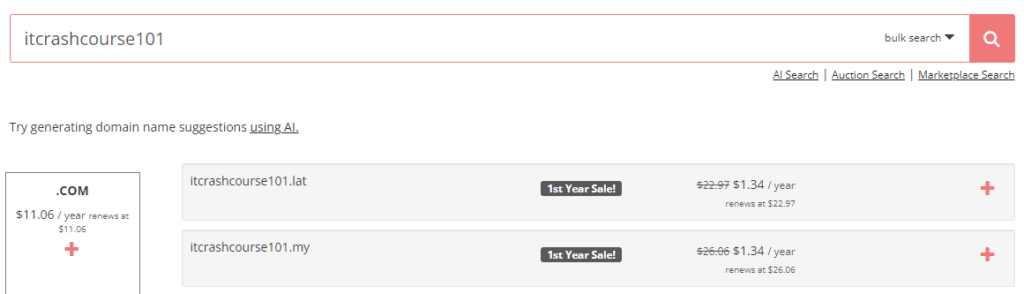
When you buy a domain name, you’re essentially renting the right to use a specific name for a certain period (typically 1–10 years). You can’t own a domain name forever, but you can keep renewing it as long as you continue to pay for it.
Where Can You Buy a Domain Name and How Much Do They Cost?
Domain names can be bought through domain registrars, which are companies accredited by ICANN to manage the sale of domain names. Some popular registrars include Porkbun, Name Silo and GoDaddy.
The cost of a domain name varies depending on factors like the TLD you choose and in some cases the uniqueness of the SLD. Prices typically range from $10 to $50 per year, though some premium names can cost significantly more.
What Does a Domain Name Actually Do?
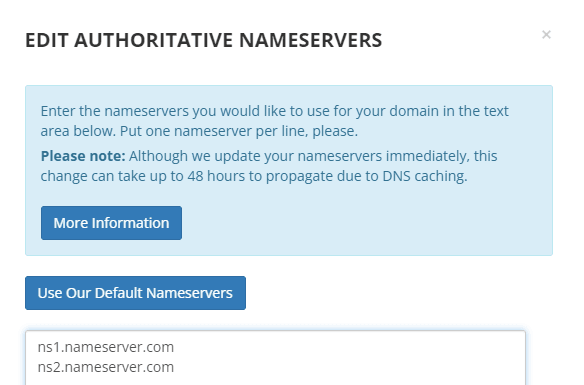
A domain name itself doesn’t store your website’s files or DNS Records. Instead, it points to the server where your website is hosted. It acts like a signpost that directs visitors to the appropriate web server by referring to a DNS name server. DNS servers keep a record of which domain names are associated with which IP addresses, making sure that when someone types your domain name, it resolves to the correct web hosting server.
Other Details to Know
- Subdomains: You can create subdomains under your main domain. For example, blog.example.com is a subdomain of example.com. Subdomains are often used to organize large websites or separate parts of a business (e.g., support, blog, shop).
- Domain Name Renewal: After purchasing a domain, you need to renew it. If you forget to renew it, the domain may expire, and someone else can purchase it.
- Domain Privacy: Many registrars offer complementary domain privacy protection, which hides your personal information (such as your name and address) from public databases. This is optional, but it’s a good idea to protect your identity.
By understanding how domain names work, you can make informed decisions when buying and managing a website’s web address, ensuring your online presence is secure and professional.
Do you have any questions on Domain Names? Let us know in the comments below